Before You Trust a Fact from a Clinical Note, Ask Where It Came From
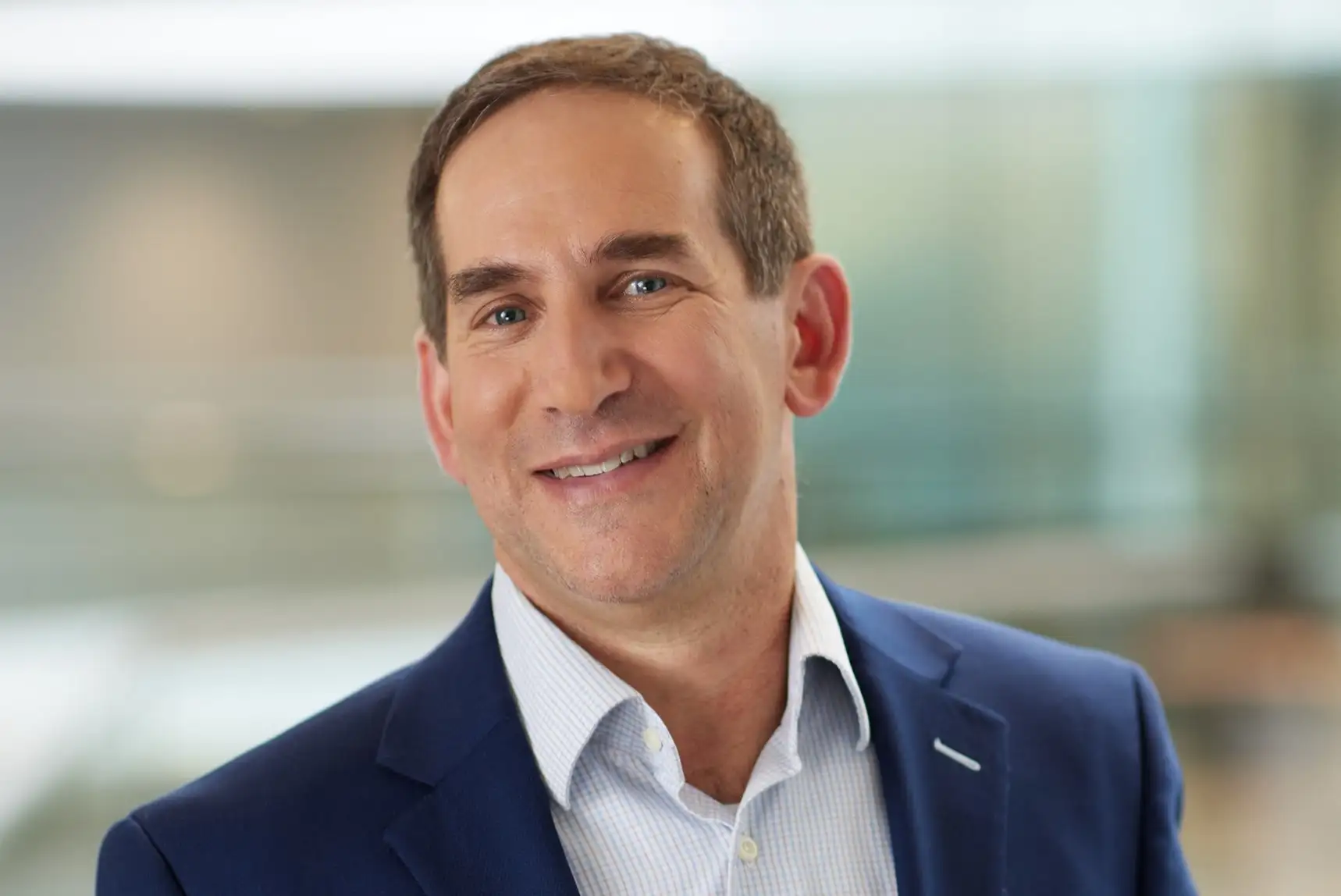
By Jeffrey Brown, PhD, Chief Scientific Officer, TriNetX, LLC
At ISPOR Europe 2026 earlier this month, I presented a session called “From Narrative to Evidence: How AI-Extracted Clinical Facts Strengthen Real-World Research.” I started with the conclusion: we have to figure out a way to use clinical notes to support critical research questions. Extracting information from clinical notes is an incredible opportunity for the community but also poses serious trust risks if we’re not careful.
I’ve been working in the real-world data (RWD) space for over 25 years as a health economist, 16 years at Harvard Medical School running FDA Sentinel and PCORnet, and now at TriNetX. The thread through all of it is how we use RWD for decision-making. Clinical notes combined with claims and electronic health record (EHR) data can help us address critical questions that have been beyond our reach.
What We’ve Been Missing in Structured Data
Decision makers, including pharma and regulatory agencies such as the U.S. Food and Drug Administration (FDA), are demanding more granular information such as disease state and biomarker information, and they’re no longer accepting that it’s too hard to get. So we have to figure out how to get it out, and how to trust it. That’s the trick.
We’ve been doing oncology studies without knowing cancer stage, asthma and COPD studies without knowing smoking status or pulmonary function, cardiovascular studies without knowing cholesterol levels or blood pressures. The existing codes can fool you.
One of my first Sentinel studies for FDA, for a smoking cessation product, we needed to understand smoking status as the drug and comparators were also used for depression. If you use the ICD-10 code indicating ‘smokers’, you’re probably a smoker. If you don’t have that code, it doesn’t mean you’re not. The people with the code likely got it because they were heavy smokers, so our cohort was not as broad as we would have preferred. Now we can use smoking status from clinical notes to include a broader set of patients and stratify them properly.
Clinical notes hold information such as disease severity, ECOG scores, biomarkers, and histology. They can also tell you why a patient switched from drug A to drug B. Many decision-makers want to know that, and the data only say it happened. The note might say why.
Where Fact Extraction Gets Difficult
Artificial intelligence (AI) has changed how we can extract information from a note, but it hasn’t changed the need for a rigorous, robust, and transparent process that’s primarily focused on the science. Extraction has moved from control-F searching to rules-based natural language processing (NLP) and to AI-enabled extraction as the foundation for a trustworthy, repeatable, and iterative process.
So why is this difficult?
- Privacy. Some institutions accept 95% de-identification, some want 99%, and some will never hand over a note. They’re all right. We have to meet the institutions where they are.
- Documentation variability. There’s no way to stop typos in notes, and we should remember structured data have their own errors. I’ve seen blood pressures of 12,000 over 8,000 and BMIs of 25,000. At scale, you have to decide how to handle clinical notes that aren’t standardized in content, structure, or documentation, contain errors and typos, and that represent medical documentation intended for human cognition to interpret.
- Cross-referencing. A note can mention a patient, a spouse, and a parent, and you have to figure out who the information is actually referring to.
- Temporal reasoning. Something written in a note on a given day didn’t necessarily happen that day. “I had asthma as a kid” isn’t a new diagnosis. In safety research, the time between exposure and outcome matters down to the day.
Even simple-looking facts are tough. Smoking status took us a while. A reference range can be mistaken for the result. PD-L1 comes as a number sometimes and “high” at other times. How do you handle a cohort with both?
Validation, Metadata, and a Human in the Loop
There’s no button that extracts trustworthy data from notes. We develop, validate, iterate, deploy, and then review for drift. And all that’s needed when extracting notes at just one institution. Imagine doing it at scale across institutions and globally. We aren’t yet at the place where we can trust AI to tag notes accurately enough to obviate the need for a human brain; we still need human annotation. Many notes are now written by AI listening to a visit, and then AI extracts facts from them, so a human needs to be in that loop to ensure accuracy.
Every extracted fact should come with metadata: this is a fact, and we’re 92% sure it’s true. No one should say 100.
That’s the standard we hold ourselves to at TriNetX. We test every pipeline against human-annotated notes, attach a confidence score to every fact, and link notes-derived facts to structured EHR data for the same de-identified patients. In early results, smoking status coverage rose from 22% to 67%, and Eastern Cooperative Oncology Group (ECOG) and Karnofsky status surfaced for 373,000 oncology patients with none in structured fields.
Where We Go from Here
Combining claims, EHR, and notes is a step closer to the holy grail of a complete picture of a patient journey and represents real incremental value to life sciences companies and healthcare organizations. Hospital systems have the notes but have trouble extracting value from them, and they want someone to extract the facts and give them back. Payors and policymakers care too.
Think about the questions you couldn’t answer a year or two ago because you lacked the necessary data and context – the reason for a drug switch, the disease state to better stratify patients, or the biomarker needed to understand patterns of care. Then ask how to make sure adding notes doesn’t create a new problem – a critical scientific question that requires data and methodologic expertise.
COVID is a good reminder. During the pandemic many in the community went into notes to determine COVID status, and it turned out to be impossible to generate actionable information. Eventually, everyone gave up, but not before generating research results based on unreliable data.
So, my ask, whether you’re a vendor buying data or a pharma company using it: ask a lot of questions. If you’re the vendor, be upfront about what you can and can’t do. Then we can move forward as a community of researchers and avoid a big mistake that sets us back and costs us the trust of the decision-makers we’re trying to support.
Ready to see what trustworthy clinical note facts can add to your research? Learn more about NLP-extracted Facts from Clinical Notes.
About Jeffrey Brown, PhD
With more than 25 years of experience in research and consulting, Jeff is an internationally recognized expert in the use of real-world data to support the evidentiary needs of regulatory agencies and medical product sponsors, and an expert in the assessment of data quality of real-world data resources.
Related Articles